

It’s approaching crunch time for the Yonkers City 2026-2027 budget. And at the moment, the path forward has yet to emerge.
The budgetary game of chicken is an annual ritual. The city pleads poverty. The state negotiates. At the last minute, they strike a deal.
Each year, it looks bad. Worse than ever. This year carries that tradition forward.
Lobbying in Albany Intensifies
Mayor Spano made a second trip to Albany last week to lobby for increased state aid. Before his meetings, he turned up the pressure by announcing that our schools face a $101 million budget gap. His press release did not mention the projected $40 million deficit on the City-side of the budget.
The Mayor blasted the “outdated” and “broken” school aid formula, which he said does not reflect rising special education and healthcare costs. He warned that the schools are in jeopardy and “face drastic cuts in programs and services for the next school year.”
So far, the State has promised only an additional $10 million for the schools, nowhere near enough to stave off the draconian school cuts the Mayor put on the table.
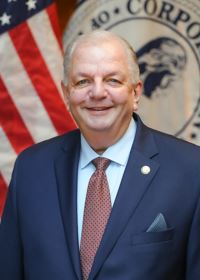
City Finance Commissioner Hopeful
According to the City’s Finance Commissioner John Liszewski, the Mayor had good meetings with both the governor and our state legislators. Thus, there is still hope that more aid will be forthcoming.
We’ll know a lot more by April 1, when the state adopts a budget. That’s when the City finds out how much state aid we will receive.
The City Finance Department now projects that the City has a $140 million total budget gap. The Mayor wants Governor Hochul and the State Legislature to step up and once and for all fix the state aid school formula that former Governor George Pataki famously declared “screwed” Yonkers.
But that was almost 30 years ago, and the state’s approach to fixing the inequity has been incremental at best. Once again the total amount of aid will not suffice, and the City will be on its own to fill a gap mostly through a combination of a property tax increase, the use of the “fund balance” (AKA rainy-day savings), and, if unavoidable, budget cuts.
Budget Shortfalls Across New York State
Despite the good will in Albany, however, there’s clearly a different feeling this year as to how much more help the state can and will provide.
The governor may profess that she wants to help Yonkers, but the other New York “Big Five” cities – New York City, Buffalo, Rochester and Syracuse – also have significant and competing needs. While Yonkers is seeking tens of millions, New York City is seeking billions. There just may not be enough money in state coffers to satisfy everyone. Compounding the problem, the state itself is forecasting its own $4 billion budget deficit. That amount might seem manageable considering that the state’s annual budget is approximately $250 billion, but the deficit could influence how much additional money the State is willing to send to municipalities this year.
According to Commissioner Liszewski, the Mayor remains in advocacy mode, pressing his argument that the state’s school aid formula treats Yonkers unfairly. As part of the fix, the Mayor calls on the state to implement the recommendations of a Rockefeller Institute report that would increase Yonkers annual school aid funding by an amount of between $17 million and $48 million. The key change in the formula would put Yonkers in the same high cost funding category as New York City and Long Island, rather than putting us in the lower cost upstate formula grouping. Any progress on this front would be a win.
Our Budget is High
One of the factors working against Yonkers is the high cost of running our public schools and city government. This year’s budget is approximately $1.5 billion. Most of the money goes toward salaries, and Yonkers city and school employees are among the highest paid in New York.
To some observers, Yonkers is living well beyond our means. Revenues are not keeping up with rapidly rising expenses. For example, the new municipal labor agreements will likely increase the City’s annual budget by $160 million. As of yet, the City does not have a way to cover those costs.
Given these factors, the State may be reaching a breaking point. How much longer can we expect them to support the city’s lofty budget?
What this Means for You
Hang on folks, if the State doesn’t come through with significantly more aid we’ll be in for a rough ride; higher taxes, and service and school cuts are a real possibility. Last month I predicted an approximately 4.5% property tax increase. That may now be wishful thinking.

